A gambling account is meant for placing bets. But what if someone deposits money, barely gambles and then withdraws it? The account may appear active, even though it has mainly been used to move funds.
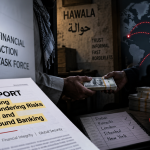
That is one of the patterns the Financial Action Task Force (FATF) wants businesses and authorities to recognise. On 9 September 2026, FATF published new risk indicators for casinos, gambling and video gaming. They are designed to help identify possible money laundering, terrorist financing and proliferation financing. FATF’s study drew on contributions from more than 80 jurisdictions, as well as industry groups and researchers. (www.fatf-gafi.org)
Why are these Risks Growing?
Gambling no longer happens only at physical venues. Customers can use online platforms, access services based in other countries and move money through several payment methods. Cash, digital wallets, mobile money and virtual assets can all be involved.
These options make services easier to use, but they can also make suspicious activity harder to trace. A customer, gambling operator and payment provider may each be in a different country. If their local rules differ, sharing information and investigating a concern can become more difficult.
Gaming and gambling platforms also depend on software developers, digital marketplaces and social media services. FATF notes that some of these connected businesses may fall outside existing regulatory frameworks. Criminals may exploit those gaps to move funds into or out of the formal financial system.
For businesses reviewing their exposure, a financial crime risk assessment can help identify where customers, payment channels and third parties create the greatest risk.
Illegal Gambling is a Major Concern
FATF identifies illegal gambling as one of the sector’s most significant risks. In some jurisdictions, illegal markets rival or exceed licensed ones. An offshore website may look like an established business, even when it operates without a licence or effective oversight.
Customers may have no easy way to tell who runs the platform. An operator offering anonymity may also attract people who want to move criminal proceeds. Because these sites can serve users across borders, action taken in one country may not be enough to address the problem.
Ownership is another issue. Criminal groups have long sought to gain control of, or influence over, traditional casinos. Online operators may be harder to examine when several companies or shareholders sit between the platform and the people who ultimately control it. FATF warns that ownership can be structured to avoid regulatory checks.
What Warning Signs has FATF Identified?
FATF’s indicators include customer behaviour, transaction patterns and concerns about the operator itself. Examples include:
- Deposits followed by withdrawals with little or no gambling
- Multiple small transactions that may be intended to avoid detection
- Several accounts or payment methods used under different identities
- Payment details that do not match a customer’s information
- Suspicious identity documents
- Unusually large or coordinated bets on events flagged for possible manipulation
- Ownership structures that make the people behind an operator difficult to identify
Links between an operator or its owners and cyber fraud, organised crime or other criminal activity can also warrant attention. FATF’s findings connect abuse of gaming and gambling services with a wider range of offences, including corruption and professional money laundering.
A warning sign does not prove that a crime has occurred. The surrounding facts matter. Businesses need to understand who owns an account, where the money came from, how it moved and whether the activity makes sense for that customer.
What Should Businesses do with the Findings?
FATF is calling for stronger oversight of illegal and offshore operators, better cooperation between countries and closer information sharing between public authorities and businesses. The response in each jurisdiction should reflect its own risks and regulatory framework.
For businesses exposed to gaming and gambling activity, the practical question is whether current checks can detect the patterns FATF describes. Can related accounts be connected? Are mismatches between customer and payment information investigated? Can unusual deposits, withdrawals and betting activity be reviewed together?
An AML/CFT gap assessment can help a business examine whether its policies, monitoring and escalation processes address relevant risks. Where money laundering or terrorist financing exposure needs a closer look, an ML/TF risk assessment can help identify and prioritise it.
FATF’s message is that criminals can use gambling services for purposes that have little to do with gambling. Its risk indicators and key findings give businesses and authorities a starting point for spotting those patterns and deciding when to investigate further. (www.fatf-gafi.org)